The ‘morning huddle’: short and sweet — and powerful
“If everyone is moving forward together, then success takes care of itself.”
— Henry Ford
 I am a big believer in the power of small daily tweaks and adjustments to improve my practice. Small hinges can open big doors. The challenge for me is always finding and identifying those hinges. But once that happens, good things usually follow.
The morning huddle is something I have discovered to be a powerful and yet really simple method of improving my practice. While it brings numerous benefits, its principal benefit for me is that it creates and maintains daily alignment in my firm.
I found that as we added new team members, it was getting hard to maintain alignment. The left hand didn’t know what the right hand was doing. I quickly learned that was not exactly a recipe for success.
I read about the morning huddle and decided to give it a shot. It was one of the best decisions I have ever made in running my practice.
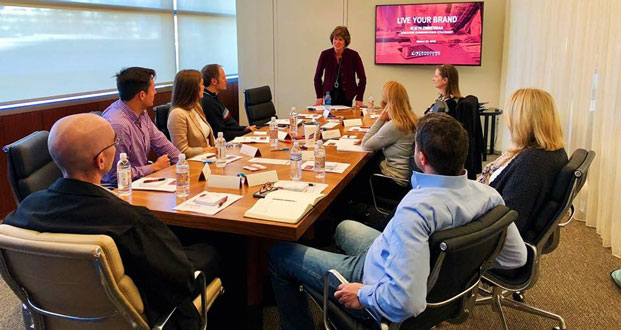
The morning huddle is a quick stand-up meeting held each and every morning at a dedicated time. Each team member comes ready to discuss three specific things: 1) his/her biggest success yesterday, 2) biggest challenge yesterday, and 3) goal for today. That is the entire meeting. Short and sweet and to the point.
It is important that each team member always brings these three talking points so that the huddle accomplishes its ultimate objective of keeping everyone accountable for: 1) rowing in the same direction each day, and 2) getting done the things we say we are going to get done.
As the facilitator, it is my job to make sure the huddle is quick and does not veer off topic. We don’t want to get caught in the weeds and have the meeting go longer than planned. Keeping the meeting moving along is important so that team members remain engaged.
The huddle also reveals problems that need to be addressed. For example, I often learn in these meetings who the difficult clients are that we may need to part ways with. I also learn valuable ways we can improve the delivery of our client services.
You want to listen really carefully because you can glean valuable insight at these huddles from the entire staff, and especially from your support staff.
Here are some things to keep in mind to make the huddle as effective as possible:
- Keep it brief. It should not last longer than seven to 10 minutes.
- Encourage each team member to come to the huddle with a notepad
- It is always a standup meeting (sitting changes the entire tone of the meeting).
- Be consistent about it. We do ours each day at exactly 9:30 a.m.
- If you have numerous departments, consider having each department conduct its own internal huddle each day.
If you are not already doing a morning huddle, consider giving it a try. I would love to hear from you, so please email me at [email protected] and let me know how the morning huddle goes for you.
Christopher F. Earley is a Boston attorney and author who concentrates his practice on the representation of the seriously injured and their families.
Share this story, choose a platform

Brought to you by BridgeTower Media
Free Weekly Newsletter
Recommended content

The Firm Playbook: Explain yourself: Using informative invoices to avoid client pushback
The Firm Playbook: Explain yourself: Using informative invoices to avoid client pushback By Nermin Jasani Picture this: You go to [...]

Legal Ethics: Restrictions on alternative business structures: New professionalism legislation
Legal Ethics: Alternative business strictures: New professionalism legislation By Jim Doppke One of my recent columns looked at management service [...]
5 ways to have fun this summer
The problem with many career-driven lawyers is that they have almost forgotten how to have fun. Read more @ attorneyatwork.com
Trouble ahead for mid-size law firms?
A new report is reviving concerns that economic pressures will weigh more heavily in the coming years on mid-sized firms [...]
Community sponsorships that actually generate leads
Sponsoring things like youth sports teams or charity fundraisers can pay dividends for firms, but in more nuanced ways than [...]