Clients are like any other consumer: they want to feel valued
 The number one reason lawyers receive ethical complaints is for not communicating with their clients. But while regular and consistent communication may avoid ethical problems, more is needed in order to truly “wow” clients.
One of the core values of my firm is to provide clients with the very best client service we can possibly provide. To me, this is of absolute critical importance. We approach this through a variety of ways that focus on one singular objective: consistently showing clients they are valued and appreciated.
The very start of the representation is a great time to impress the client and set the tone (and eliminate any type of “buyer’s regret”). Each new client receives a telephone call welcoming them, as well as a welcome card in the mail.
The team member assigned then will call the client every three weeks. The call must be documented in our case management software. If it is not documented, the call never happened.
Even if we have nothing new to report, we still call clients every three weeks. Clients appreciate this, and moreover, it substantially reduces the likelihood that a client would ever complain that we are not communicating enough.
But calling is not enough. When the clients are called, they need to be asked how they are and shown genuine empathy. They need to be asked about their family. Truly listening to the clients and what they are saying is really important.
If we learn the client has had a big life event (birth of a child, job promotion, graduation, etc.) we send a handwritten card congratulating the client. If there has been a death in our client’s family, we send a handwritten sympathy card. We want our clients to know we listen to them and care about them, and this in turn creates a strong and meaningful emotional connection.
We further contact clients through regular, automated drip emails that are intended to enter the conversation going on in the client’s head and proactively answer the questions the client may be thinking about. This is an automated process that requires no physical work on our part and provides another channel of communication with clients.
We conclude the case with a thank-you card to the client. Then, we call the client each year on his or her birthday, and also send out a birthday card each year. If the client refers a client to us, we immediately send the client a handwritten thank-you card showing our appreciation for the referral.
Most clients are easy and don’t expect very much. But still, go above and beyond for them anyway. If you do that, they will love you and will always remember the way you made them feel.
At the end of the day, the practice of law is a business like any other business involving consumers paying for a service. Consumers want and need to feel valued and appreciated, so give them that. Everything else to them is secondary.
If you have other client service techniques you use at your firm, I would love to hear about them. Email me at [email protected] and tell me about them.
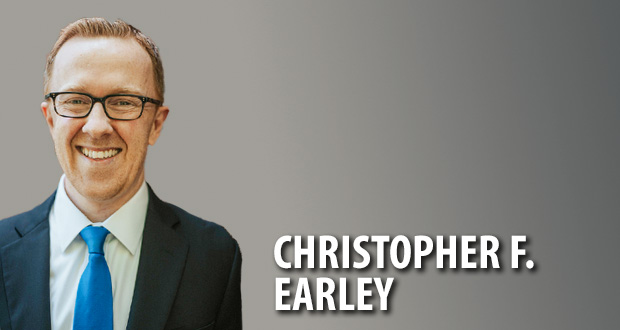
Christopher F. Earley is a Boston attorney and author who concentrates his practice on the representation of the seriously injured and their families.
Share this story, choose a platform

Brought to you by BridgeTower Media
Free Weekly Newsletter
Recommended content

Confessions of a Legal Recruiter: Using the realization rate to gauge an attorney’s value to a firm
Confessions of a Legal Recruiter: Using the realization rate to gauge an attorney’s value to a firm By Shari Davidson [...]
Simple and productive AI projects for small firm lawyers
These tasks can familiarize you with digital tools and improve your firm’s customer service without compromising client confidentiality. Read more [...]
Senior partners should listen to junior associates
Sometimes, the lawyer in the room with the best ideas is the one with the least impressive title. Read more [...]
The law of diminishing returns and legal marketing
A law firm can reach the point where more spending on marketing will not translate into more business. Read more [...]